
This article provides general fitness information for educational purposes only. Exercise may improve health and physical fitness, but individual results vary. Always consult a healthcare professional before starting a new workout routine.
Introduction
Many people who start exercising often ask the same question:
Should I focus on bodyweight training or weight training?
Both training methods are widely used to improve strength, build muscle, and support overall fitness.
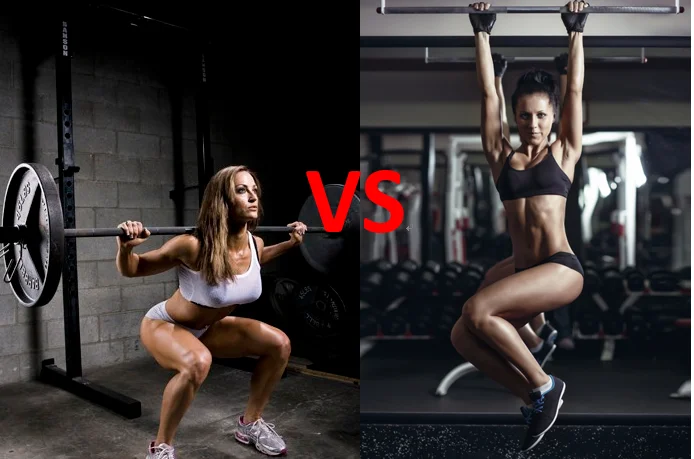
Bodyweight training uses your own body as resistance, while weight training involves external resistance such as dumbbells, barbells, or machines.
Understanding the differences between these two training styles can help you choose the best workout approach for your goals.
What Is Bodyweight Training?
Bodyweight training involves exercises that use your own body weight as resistance.
These workouts do not require equipment and can be performed almost anywhere.
Popular bodyweight exercises include:
-
push ups
-
squats
-
lunges
-
planks
-
pull ups
Bodyweight workouts are commonly used in home workout routines and calisthenics training programs.
Benefits of Bodyweight Training

Convenient and Flexible
Bodyweight workouts can be done at home, in parks, or while traveling.
No Equipment Required
Most exercises require only your body weight.
Improves Functional Strength
These movements often mimic natural body movements like pushing, pulling, and squatting.
Beginner Friendly
Many bodyweight exercises for beginners can be modified to match different fitness levels.
What Is Weight Training?
Weight training is a form of resistance training that uses external weights to build muscle and strength.
Common equipment used in weight training includes:
-
dumbbells
-
barbells
-
kettlebells
-
resistance machines
Weight training is commonly practiced in gyms and structured strength training programs.
Benefits of Weight Training
Faster Muscle Growth
Weight training allows you to gradually increase resistance, which supports muscle growth.
Progressive Overload
Increasing weight over time helps muscles adapt and grow stronger.
Target Specific Muscles
Weight training allows more control when targeting specific muscle groups.
Increased Bone Strength
Research suggests resistance training can support bone health and muscle strength.
Bodyweight Training vs Weight Training: Key Differences
| Feature | Bodyweight Training | Weight Training |
|---|---|---|
| Equipment | Not required | Requires weights |
| Location | Home or outdoors | Usually gym |
| Resistance | Body weight | Adjustable weights |
| Strength Gains | Moderate | Higher potential |
| Muscle Isolation | Limited | More precise |
Both training styles offer unique advantages depending on your fitness goals.
Which Is Better for Strength?
Weight training generally allows greater strength development because resistance can be increased gradually.
However, bodyweight training is still effective for improving strength, especially for beginners.
Exercises like push ups, pull ups, and squats activate multiple muscle groups and help develop functional strength.
When Bodyweight Training Is the Best Option
Bodyweight workouts may be ideal if:
-
you prefer working out at home
-
you have limited equipment
-
you are a beginner starting a fitness routine
-
you want to improve functional strength
When Weight Training Is Better
Weight training may be the better option if:
-
your goal is maximum muscle growth
-
you want to lift heavier resistance
-
you are following a structured strength program
-
you train regularly in a gym
Best Approach: Combining Both Training Methods
Many fitness experts recommend combining bodyweight exercises and weight training.
For example:
Bodyweight Exercises
-
push ups
-
pull ups
-
lunges
Weight Training Exercises
-
dumbbell press
-
barbell squats
-
deadlifts
This combination helps build strength while improving balance and mobility.
Example Hybrid Workout Routine
Example workout:
Bodyweight Exercises
-
push ups – 10 reps
-
lunges – 12 reps
Weight Training Exercises
-
dumbbell squats – 10 reps
-
shoulder press – 10 reps
Repeat the routine 3 rounds.
This approach creates a balanced strength training routine.
Frequently Asked Questions
Is bodyweight training enough to build muscle?
Yes. Bodyweight exercises can help build muscle, especially for beginners and intermediate fitness levels.
Is weight training better than bodyweight training?
Weight training often allows greater strength gains because resistance can be increased more easily.
Can beginners start with bodyweight training?
Yes. Bodyweight exercises are commonly recommended for beginners because they are simple and accessible.
Do you need a gym for weight training?
Most weight training programs require equipment typically found in gyms.
Can you combine bodyweight and weight training?
Yes. Many workout routines combine both training styles for balanced strength and fitness.
Final Thoughts
Both bodyweight training and weight training offer valuable benefits for strength and fitness.
Bodyweight workouts are simple, flexible, and beginner friendly, while weight training allows greater resistance and muscle development.
The best approach often involves combining both methods to create a balanced and effective workout routine.
Consistent training, proper form, and gradual progression are key factors in achieving long term fitness results.