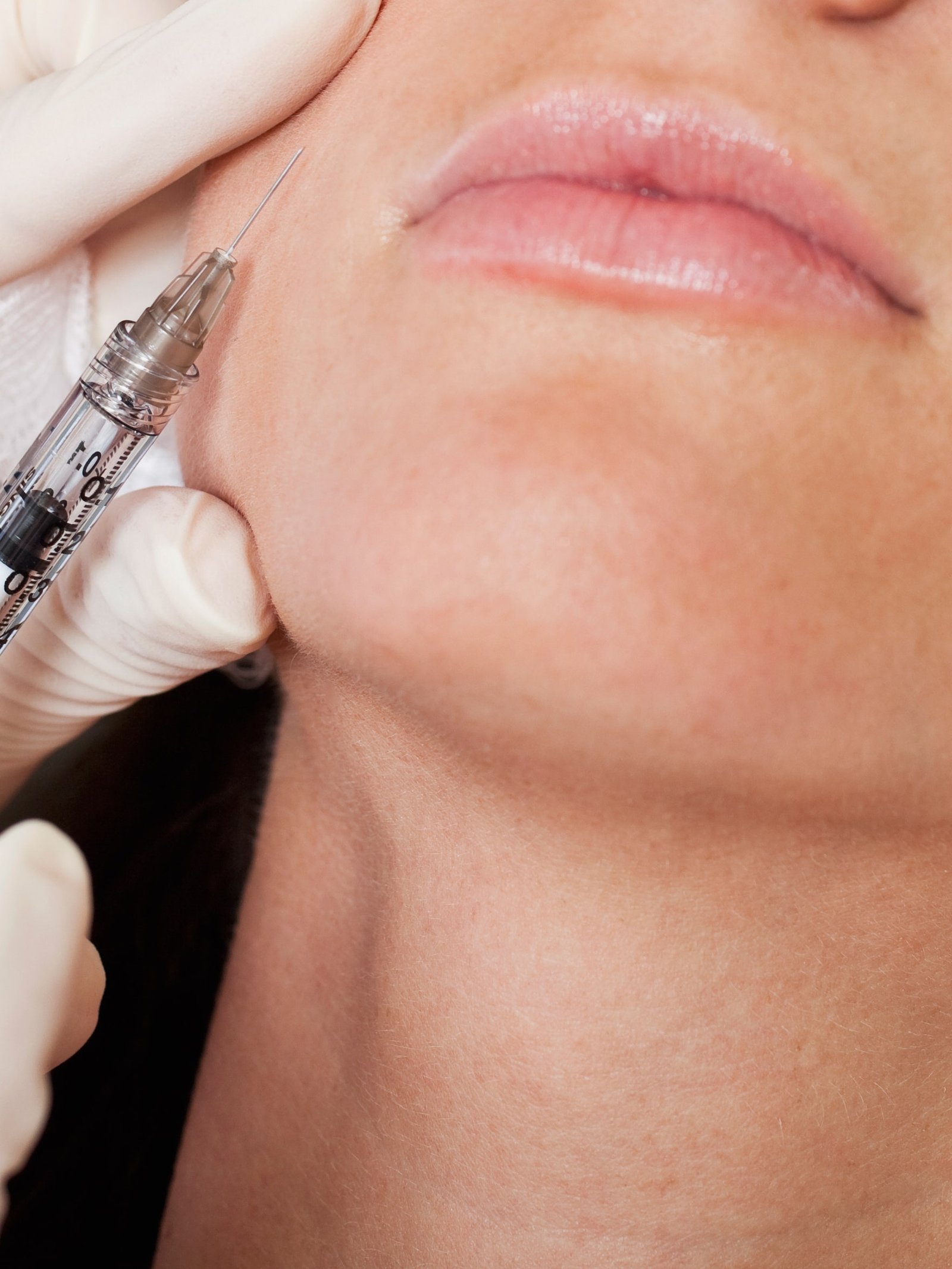

Botox is a cosmetic procedure that improves the appearance of wrinkled skin. Most people do get Botox injections to correct the wrinkles around the eyes and on the forehead.
These days, however, doctors use Botox to treat migraines and excessive sweating (hyperhidrosis).
Botox is a purified form of botulinum toxin, hence the name. If used in large amounts, Botox can be dangerous.
But if diluted and used appropriately, it can be effective in treating uncontrolled blinking, lazy eyes and wrinkles on the face, and can last up to four months.
HOW LONG AFTER BOTOX CAN YOU EXERCISE?

One of the popular questions among workout enthusiasts is, should you exercise after Botox?
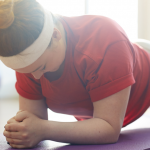
According to Dr Miriam Hanson, a certified dermatologist and cosmetic expert in Houston in Texas, you should avoid strenuous exercise after botox within the first 24 hours after receiving cosmetic Botox.
However, Dr Tracy Mountford of the multi-award-winning Cosmetic Skin Clinic in London, feels that you can resume light exercises four hours after treatment.
But she is also in agreement that you should stay away from strenuous exercises for at least 24 hours.
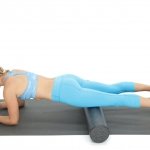
Walking, jogging, upright yoga (the kind that does not need to be upside down or lie flat and gardening. Weight training, cross-training, long distance running and yoga positions where the body is inverted should be avoided at all costs.
WHY WAIT 24-HOURS BEFORE STARTING VIGOROUS EXERCISE AFTER BOTOX?
Medics advice to not indulge on intense exercise within 24 hours of getting Botox injection, and for good reasons too.
- You need to allow the proteins in the Botox to properly diffuse and take effect. If you engage in vigorous exercise before the 24 hours are over, the Botox will be metabolized and you will not achieve the desired results.
- Strenuous exercise will make you hot and sweaty. Therefore, in an attempt to wipe the sweat from your face, you will massage your face and move the Botox away from the targeted area.
- Exercise after Botox may raise your blood pressure and cause bruises. This can make you swell in the area that has just been injected and cause a lot of pain.
- Exercises after Botox can cause pressure on the treated area and affect the final outcome. This is most likely to happen if you put on head helmets, swimming caps or goggles.
FACIAL EXERCISES AFTER BOTOX
A study done at Northwestern University in the United States shows that performing facial exercise after Botox fastens its effectiveness by one day. It is therefore recommended that you move your face by making different expressions such as smiling, frowning and raising your eyebrows. The facial exercises should be done three times, pause for 10 minutes then you repeat that cycle at least 40 times.
Dermatologists and participants of the study reported a reduction in forehead wrinkles after two to three days if the Botox injection was followed by facial exercise. This was an improvement from the three to four days taken by those who did not engage in facial exercise.
WHAT NOT TO DO AFTER BOTOX
For Botox to work effectively in the injected area, here are precautions that you should take after treatment.
AVOID RUBBING OR MASSAGING THE INJECTED AREA BEFORE FOUR HOURS HAVE ELAPSED.
Avoid touching your face, facials, facial massages, exfoliating scrubs or dermal fillers.
This is because putting pressure on your face may cause the Botox to migrate from where it was injected.
You may also feel some discomfort once you touch your face because the area might still be sensitive. Wiping sweat from your face or brow can act as massage which is not advisable after a Botox injection.
DON’T DO STRENUOUS EXERCISES AFTER BOTOX BEFORE 24 HOURS ARE OVER.
Strenuous exercises make your heart pump blood faster which is not good after you have just had a Botox. This is because the blood flow can diffuse the Botox from the injected area, which can temporarily paralyze the surrounding muscles.
An increase in blood pressure can also result in bruising and swelling in the injected area.
AVOID TAKING ALCOHOL, ASPIRIN OR ANY OTHER ANTI-INFLAMMATORY DRUGS.
You should avoid taking alcohol, aspirin and other anti-inflammatory drugs for at least one week after your Botox treatment. Taking the aforementioned products causes blood to thin hence causing bruising
DON’T WEAR HEADGEAR THAT IS TIGHTLY FITTED ACROSS THE FOREHEAD.
This applies pressure on the injected area which can cause the medication to migrate, thus reducing its effectiveness.
STAY AWAY FROM FISH OILS, VITAMIN E, GARLIC AND GINGKO
They increase your risk of getting bruised.
OTHER PRECAUTIONS YOU SHOULD TAKE AFTER HAVING A BOTOX
Don’t sleep on the injected areas because it can cause physical pressure on the injected areas and prevent the Botox from settling properly into the muscles. Avoid sleeping after your Botox procedure before four hours have elapsed.
Do not expose yourself to the sun or other forms of heat such as tanning beds, hot tubs, hot showers or baths and saunas until 24 to 48 hours are over. This is to prevent flushing and a hike in blood pressure which can cause bruising.
Do not expose yourself to extremely cold temperatures and stay away from caffeine. Avoid make-up and procedures such as eyebrow threading, waxing and tweezing.
Avoid flying and stay upright for four hours after the Botox. Don’t lie on your face and avoid activities like shoe shopping that will cause you to bend over.
BOTOX AFTERCARE INSTRUCTIONS
You can resume your normal activities after having a Botox such as work and school because Botox injections don’t require any recovery time. Nonetheless, here are some of the aftercare precautions you should take:
- Give yourself at least a day to relax.
- Exercise your face gently.
- Do not touch, rub or apply any physical pressure on the affected area.
- Leave the treated area alone.
- Try and maintain a normal heart rate.
POSSIBLE SIDE EFFECTS AFTER BOTOX
According to Dr Tracy Mountford, most of the time, there are no side effects after Botox. However, on a few occasions, your body can react negatively to the Botox in the following ways:
- Minor bruising in the injected area – for relief, apply a pack of ice. The bruising should stop in about two weeks.
- Presence of bumps – shortly after your Botox, small bumps may appear on your skin. However, they will disappear very quickly.
- Temporary headache – you can treat this with normal painkillers.
- Drooping eyelid – only less than one per cent of those who go through Botox experience this side effect. It lasts for a few days or weeks.
- Redness, tenderness and swelling – these side effects disappear in one day.
CONCLUSION
Botox should never be the reason why you shelve your exercise. At the same time, be sure to take all necessary measures to avoid strenuous exercises that will erode its effectiveness.