
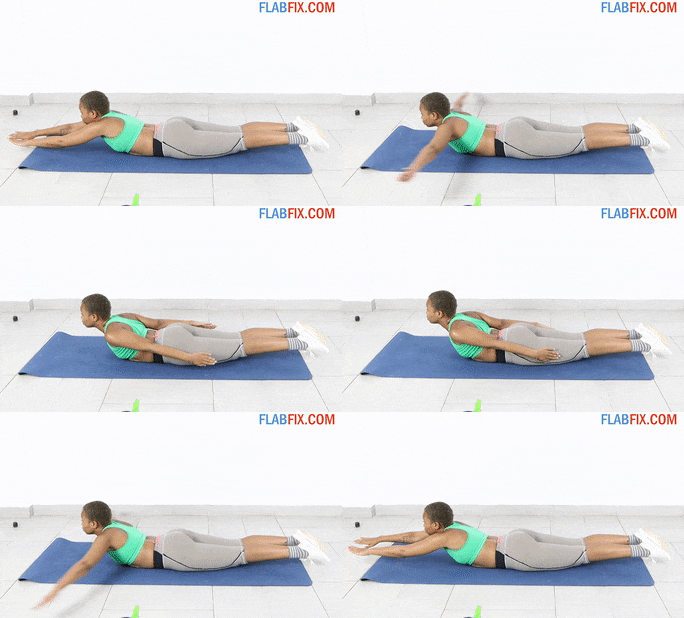

The arm haulers exercise is a bodyweight floor movement that targets the arms, shoulders, upper back, core, and legs at the same time. It is often overlooked, yet it is one of the most effective no-equipment exercises for improving posture, shoulder stability, and overall upper-body strength.
Arm haulers are especially useful for people who spend long hours sitting, driving, or working at a desk. These habits often lead to rounded shoulders, weak upper back muscles, and reduced shoulder mobility.
This guide explains how to do arm haulers properly, the muscles worked, benefits, common mistakes, and safer alternatives.
What Are Arm Haulers
Arm haulers are a floor-based strength exercise performed while lying face down. The movement resembles a slow breaststroke motion combined with a superman hold.
Because the arms and legs are lifted off the floor, the exercise challenges:
-
Upper body strength
-
Core stability
-
Shoulder mobility
-
Postural muscles
The exercise requires no equipment and can be done anywhere.
Who Should Do Arm Haulers
Arm haulers may be helpful for:
-
People with poor posture from prolonged sitting
-
Individuals looking for home workouts
-
Beginners learning bodyweight exercises
-
Athletes needing shoulder mobility support
People with shoulder, neck, or lower back injuries should consult a professional before trying this exercise.
How to Do Arm Haulers Properly
Follow these steps carefully to perform the arm haulers exercise safely and effectively.
-
Step-by-Step Instructions
-
Lie flat on your stomach on the floor or exercise mat.
-
Extend your arms straight in front of you and your legs straight behind you.
-
Lift your arms and legs slightly off the ground.
-
Brace your core and keep your neck neutral.
-
Slowly sweep your arms outward and backward in a circular motion.
-
Bring your hands toward your thighs while keeping your arms off the floor.
-
Reverse the motion and return your arms to the starting position.
-
Move slowly and with control.
This movement should feel smooth and deliberate, similar to making a snow angel in slow motion.
-
Breathing Tips
-
Breathe steadily throughout the movement
-
Avoid holding your breath
-
Exhale gently during the backward sweep
Muscles Worked During Arm Haulers
The arm haulers muscles worked span multiple muscle groups.
Deltoids
The deltoids are the primary shoulder muscles responsible for arm movement. Arm haulers activate all three heads of the deltoid, supporting shoulder strength and control.
Trapezius
The trapezius muscles in the upper back help stabilize the shoulder blades. Arm haulers strengthen these muscles, which may support better posture.
Glutes
Keeping the legs lifted engages the glute muscles. This helps maintain hip stability and supports the lower back.
Hamstrings
The hamstrings work alongside the glutes to keep the legs elevated throughout the exercise.
Core Muscles
Arm haulers engage:
-
Internal obliques
-
External obliques
-
Transverse abdominis
-
Multifidus
These muscles help stabilize the spine and support balance.
5 Benefits of Arm Haulers Exercise
1. Strength Training Without Equipment
The arm haulers workout builds strength using bodyweight resistance. Regular practice may improve muscle activation and endurance.
2. Improves Posture
Arm haulers strengthen the upper back and shoulder muscles, which may help counteract forward-rounded posture caused by prolonged sitting.
3. Improves Shoulder Stability
Stronger deltoids and trapezius muscles may help support shoulder joint stability during daily movement.
4. Enhances Shoulder Mobility
The circular arm motion promotes controlled shoulder movement, which may improve joint mobility over time.
5. Supports Fat Loss and Muscle Toning
Because arm haulers activate multiple muscle groups, they may increase energy expenditure and support muscle toning when combined with a balanced routine.
Results vary based on intensity, frequency, and overall activity level.
3 Common Mistakes to Avoid
1. Moving Too Fast
Fast movements reduce muscle engagement and increase injury risk. Arm haulers should be slow and controlled.
2. Poor Body Alignment
Avoid:
-
Dropping arms or legs to the floor
-
Lifting the head too high
-
Arching the lower back excessively
Good form is critical for safety.
3. Lack of Core Engagement
Failing to brace the core may reduce effectiveness and increase lower back strain.
Arm Haulers for Beginners
Beginners can:
-
Perform fewer repetitions
-
Keep legs lower initially
-
Focus on proper form over speed
Gradually increase reps as strength improves.
Alternatives to Arm Haulers
If arm haulers are uncomfortable, consider these options.
1. Burpees
Burpees are a full-body movement that build strength and endurance.
2. Push-Ups
Push-ups target the chest, shoulders, arms, and core and are widely adaptable.
3. Opposite Arm and Leg Raises
This movement improves balance and core control while reducing strain on the shoulders.
Safety Considerations
-
Warm up shoulders before exercise
-
Stop if pain occurs
-
Modify range of motion if needed
Medical Disclaimer
This content is for educational purposes only. Exercise tolerance varies between individuals. Consult a healthcare or fitness professional before starting a new workout routine.
Conclusion
The arm haulers exercise is a simple yet powerful movement that supports shoulder strength, posture, and core stability. When done correctly, it offers an effective addition to home workouts without the need for equipment.
Consistency and proper form matter more than speed or repetition count.
FAQ
1. What is the arm haulers exercise
It is a bodyweight floor exercise that targets shoulders, arms, back, core, and legs.
2. Are arm haulers good for posture
They may help strengthen upper back muscles that support posture.
3. Can beginners do arm haulers
Yes, beginners can modify the range of motion and reps.
4. Do arm haulers require equipment
No, arm haulers are a no-equipment exercise.
5. Which muscles do arm haulers work
Deltoids, trapezius, glutes, hamstrings, and core muscles.
6. Are arm haulers safe for shoulders
They are generally safe when performed with correct form.
7. How many reps should I do
Most people start with 8 to 12 controlled repetitions.
8. Can arm haulers help shoulder mobility
They may support shoulder movement when done consistently.
9. Are arm haulers good for home workouts
Yes, they are ideal for home training.
10. What are alternatives to arm haulers
Push-ups, burpees, and opposite arm-leg raises are good options.