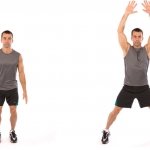


The reverse arm circles exercise looks simple, but many people are surprised by how challenging it feels after just 30 to 60 seconds. This movement is commonly used as a shoulder warm up exercise, but it can also help improve upper body mobility, posture, and shoulder stability when done correctly.
For people who spend long hours sitting, working at a desk, or using phones, shoulder stiffness and limited movement are common issues. Reverse arm circles offer a low-impact, equipment-free way to activate shoulder muscles before a workout or during daily movement breaks.
What Are Reverse Arm Circles?
Reverse arm circles are an upper body exercise where you extend your arms to the sides and move them in small circular motions backward. The motion works against gravity and activates multiple muscles in the shoulders and upper back.
This exercise is often used in:
-
Warm up routines
-
Shoulder mobility drills

Share this Gif On Your Site (Copy the code below)
This exercise is very deceiving, you’ll be surprised by how challenging it is to perform it for one minute.
Muscles Worked During Reverse Arm Circles
Primary Muscles Worked
-
Shoulder muscles, especially the rear deltoids
Secondary Muscles Worked
-
Trapezius muscles
-
Upper back muscles
-
Shoulder stabilizer muscles
Because the movement is continuous, these muscles stay under tension, which may improve endurance and control over time.
How to Do Reverse Arm Circles Exercise Properly
Follow these steps carefully to maintain proper form and reduce strain.
-
Stand upright with your feet together or shoulder-width apart
-
Extend your arms out to the sides so your body forms a letter T
-
Keep your palms facing down
-
Slowly begin moving your arms in small backward circles
-
Maintain steady breathing
-
Perform 15 to 20 repetitions, or continue for 30 to 60 seconds
As you become more comfortable, you may increase the duration gradually.
Common Form Mistakes to Avoid
-
Swinging arms too fast
-
Shrugging shoulders toward the ears
-
Locking the elbows
-
Arching the lower back
-
Holding breath
Keeping movements controlled is more important than speed.
Common Form Mistakes to Avoid
-
Swinging arms too fast
-
Shrugging shoulders toward the ears
-
Locking the elbows
-
Arching the lower back
-
Holding breath
Keeping movements controlled is more important than speed.

Trainer Tips for Better Results
-
Engage your core muscles to stabilize your body
-
Start with small circles, then gradually increase the size
-
Keep shoulders relaxed and away from the neck
-
Focus on smooth, controlled motion
-
Stop if you feel sharp pain or dizziness
For added difficulty, some users choose to hold light dumbbells, usually 1 to 3 pounds.
Benefits of the Reverse Arm Circles Exercise
1. Improves Shoulder Mobility
Reverse arm circles help move the shoulder joint through a controlled range of motion, which may support flexibility.
2. Effective Shoulder Warm Up
This exercise increases blood flow to the shoulder area, which may reduce injury risk before upper body workouts.
3. Supports Better Posture
Activating upper back muscles may help counteract rounded shoulders caused by prolonged sitting.
4. Low-Impact and Beginner Friendly
The movement is gentle and suitable for beginners when done slowly and with proper form.
5. May Help Reduce Shoulder Stiffness
Some users report improved shoulder comfort when using arm circles regularly as part of mobility routines.
6. Can Be Done Anywhere
No equipment or gym access is required, making it ideal for home workouts.
Reverse Arm Circles With Dumbbells
Adding light dumbbells increases resistance and may further engage the shoulder muscles. This variation should only be done after mastering bodyweight form.
Recommended weight:
-
Beginners: no weight
-
Intermediate: 1 to 2 lbs
-
Advanced: 3 lbs maximum
Using heavy weights is not recommended and may increase injury risk.
How Often Should You Do Reverse Arm Circles?
-
Warm up: daily or before workouts
-
Mobility focus: 3 to 5 times per week
-
Rehab or recovery: follow professional guidance
Consistency matters more than intensity.
Safety Considerations
Reverse arm circles are generally safe for most people, but caution is advised if you have:
-
Shoulder injuries
-
Rotator cuff issues
-
Recent surgery
-
Chronic joint pain
If discomfort persists, stop the exercise and consult a healthcare professional.
Medical Disclaimer
This content is for educational purposes only. The reverse arm circles exercise is not intended to diagnose, treat, cure, or prevent any medical condition. Individual results may vary. Consult a qualified healthcare provider before starting any new exercise routine.
FAQ
1. What muscles do reverse arm circles work?
They mainly target the shoulder muscles, trapezius, and upper back.
2. Are reverse arm circles good for shoulder warm up?
Yes, they are commonly used to prepare shoulders before workouts.
3. How long should I do reverse arm circles?
Most people start with 30 to 60 seconds per set.
4. Can beginners do reverse arm circles?
Yes, it is beginner friendly when done slowly.
5. Do reverse arm circles help posture?
They may support better posture by activating upper back muscles.
6. Should I use weights for arm circles?
Light weights can be used after mastering proper form.
7. Can reverse arm circles reduce shoulder pain?
Some users report relief, but results vary.
8. How many reps should I do?
15 to 20 reps or time-based sets work well.
9. Are arm circles safe for daily exercise?
Yes, when done gently and with good form.
10. Can I do reverse arm circles at home?
Yes, no equipment is required.