
Neck Curls Exercise: How to Strengthen Your Neck Safely

This article provides general fitness information for educational purposes. Neck exercises involve sensitive muscles and joints, so always perform them carefully. Consult a healthcare professional before starting a neck strengthening routine.
Introduction
Many people focus on training their arms, chest, or legs but often ignore the neck muscles.
However, the neck plays an important role in posture, stability, and injury prevention.
The neck curls exercise is a simple movement designed to strengthen the front neck muscles. It is commonly used in strength training, rehabilitation programs, and sports conditioning.
Learning the correct technique is important because the neck contains delicate muscles and joints.
What Is the Neck Curls Exercise?
The neck curls exercise is a movement that strengthens the anterior neck muscles.
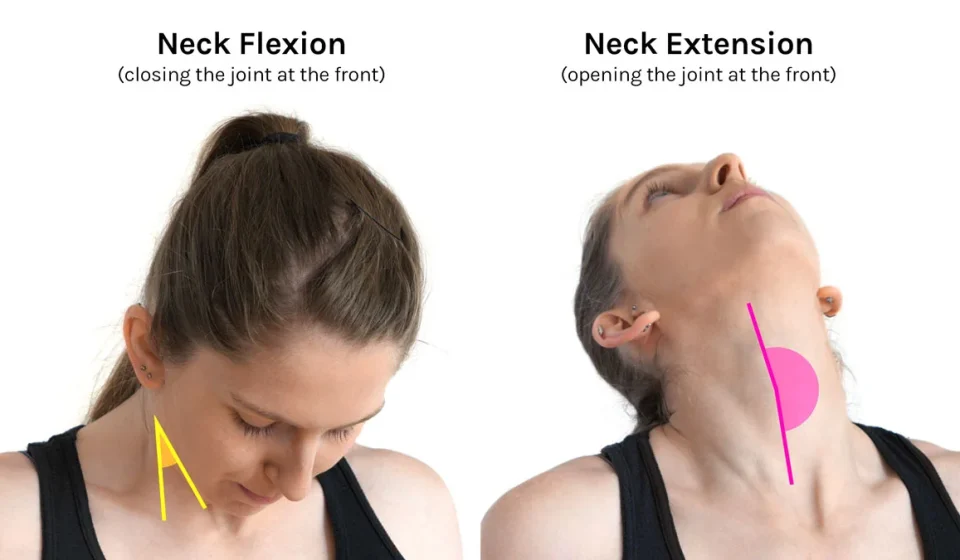
This exercise focuses on neck flexion, which means bending the neck forward.
Neck curls are commonly used to improve:
-
neck strength
-
cervical spine stability
-
posture support
-
injury prevention in sports
Muscles Worked in Neck Curls
The neck curls exercise activates several muscles in the cervical region.
Key muscles include:
-
sternocleidomastoid
-
deep cervical flexors
-
anterior neck stabilizers
These muscles support head movement and spinal stability.
Benefits of Neck Curls Exercise

Improves Neck Strength
Neck curls help strengthen muscles that support the head and cervical spine.
Supports Better Posture
Strong neck muscles help maintain proper head alignment during daily activities.
Helps Prevent Neck Injuries
Athletes often train neck muscles to reduce injury risk during physical activity.
Enhances Neck Stability
Stronger neck muscles help stabilize the head during movement.
How to Perform the Neck Curls Exercise
Follow these steps to perform the exercise safely.
Step 1
Lie on your back on a flat surface.
Step 2
Keep your arms relaxed beside your body.
Step 3
Slowly lift your head a few inches from the floor.
Step 4
Bring your chin slightly toward your chest.
Step 5
Hold the position for 2–3 seconds.
Step 6
Lower your head slowly back to the starting position.
Repeat the movement for 8–10 repetitions.
Beginner Neck Curl Routine
Beginners should start slowly.
Example routine:
-
Neck curls – 8 repetitions
-
Rest – 30 seconds
-
Repeat – 2 to 3 sets
Focus on controlled movements instead of speed.
Common Mistakes During Neck Curls
Moving Too Fast
Fast movements may increase strain on neck muscles.
Lifting the Head Too High
Only lift the head slightly from the floor.
Using Momentum
The movement should remain slow and controlled.
Skipping Warm-Up
Always perform gentle neck mobility exercises before training.
Safety Tips for Neck Exercises
-
move slowly and carefully
-
avoid excessive strain
-
stop if pain occurs
-
maintain proper posture during exercise
Neck training should always be done with caution.
Alternative Neck Strengthening Exercises
If you want to train neck muscles further, consider these exercises.
Chin Tucks
A gentle exercise that improves neck posture.
Neck Extensions
Strengthens the muscles at the back of the neck.
Side Neck Raises
Targets the lateral neck muscles.
Frequently Asked Questions
Are neck curls safe?
Yes, when performed correctly with slow and controlled movements.
How often should you train neck muscles?
Most people train neck muscles 2–3 times per week.
Do neck curls build stronger neck muscles?
Yes. Neck curls help strengthen the muscles responsible for neck flexion.
Can beginners do neck curls?
Yes, but beginners should start with low repetitions and controlled movements.
Do athletes train neck muscles?
Yes. Many athletes perform neck strengthening exercises to improve stability and reduce injury risk.
Final Thoughts
The neck curls exercise is a simple movement that can help strengthen the muscles supporting the neck and cervical spine.
When performed carefully and consistently, this exercise can improve posture, increase stability, and support overall neck health.
Always focus on slow, controlled movements and avoid excessive strain during neck training.