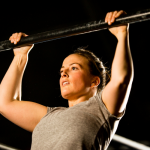


Many runners believe lifting weights or doing strength training will slow them down. That idea is outdated.
In reality, structured strength training for runners may improve running economy, support VO2 max improvement workout adaptations, and reduce injury risk. When done correctly, strength work complements running rather than competes with it.
If you are short on time, this 8 minute bodyweight workout for runners is designed to activate your entire body without equipment. It supports performance, mobility, and fat burning while protecting your joints.
Why Runners Need Strength Training
Running is repetitive. You move forward in the same pattern thousands of times. Over time, muscle imbalances and weakness may develop.
Adding a home workout for runners can help:
-
Improve core stability
-
Increase stride power
-
Strengthen glutes and hamstrings
-
Support joint health
-
Reduce overuse injuries
Research suggests that combining running with cross training for runners may improve performance markers and reduce injury risk.
This routine is simple, effective, and requires zero equipment.
8 Minute Bodyweight Workout for Runners

Perform each move with proper form. Move with control. Focus on muscle activation rather than speed.
-
Reach Through Crunches – 30 Seconds
This is a powerful runner core workout.
Core stability helps maintain posture during long runs. A weak core may cause energy leaks and inefficient form.
Lift your upper back slightly off the floor. Move slowly. Control each repetition.
This exercise supports core stability exercises for running and may improve endurance mechanics.
-
Crab Kicks – 30 Seconds
Rest 10 Seconds
Crab kicks activate arms, hips, and abdominal muscles.
Strong arms contribute to rhythm and forward drive during running. Keep your abs tight. If balance is challenging, modify by keeping both hands on the floor.
This move supports overall bodyweight exercises for runners.
-
Single Leg Glute Bridges – 60 Seconds (30 Seconds Each Side)
Rest 20 Seconds
Your glutes are your engine.
Weak glutes may lead to knee pain, hip tightness, and slower sprint speed. This is one of the best glute exercises for runners.
Press through the heel. Keep hips level. You may feel activation in hamstrings and lower back as well.
Stronger glutes may improve acceleration and sprint strength training capacity.
-
Lunge and Punch – 50 Seconds (25 Seconds Each Side)
Rest 20 Seconds
This exercise supports lower body workout for runners and upper body coordination.
Lunges strengthen quads, glutes, and calves. The punch activates shoulders and core.
Move with control. Do not rush.
-
Lunge Mountain Climber – 50 Seconds
Rest 20 Seconds
This hybrid movement activates core, hip flexors, and hamstrings.
Improved hamstring flexibility supports stride length. That makes this move valuable for hamstring mobility exercises.
Avoid lifting your hips too high. Maintain alignment.
-
Plank Hand Walkout – 40 Seconds
Rest 20 Seconds
This is one of the most effective plank variations for runners.
It challenges shoulder stability and deep core muscles.
Keep your body straight. Avoid sagging hips. Move hands in narrow strides.
This supports injury prevention and improves running form.
-
Incline Push Ups – 30 Seconds
Rest 20 Seconds
Upper body strength is often neglected in runners.
Incline push ups are a practical beginner strength routine for runners. They strengthen chest, shoulders, arms, and core.
Strong arms improve drive and rhythm during sprinting.
-
Prisoner Squats – 30 Seconds
Rest 10 Seconds
This is a foundational squat workout for runners.
It activates quads, hamstrings, glutes, and calves. Keep your chest upright and knees tracking over toes.
-
Squat Hold – 30 Seconds
Isometric holds build muscular endurance.
Keeping thighs parallel to the floor challenges quads and glutes. This supports hill running and sprint endurance.
Why This Workout Works
This no equipment workout for runners targets:
-
Core stability
-
Hip strength
-
Hamstring mobility
-
Shoulder endurance
-
Lower body power
It also functions as a mild fat burning workout for runners, supporting body composition goals without excessive strain.
How Often Should Runners Do This?
For most recreational runners, performing this routine 2 to 3 times per week may support strength gains without interfering with mileage.
Listen to your body. If soreness affects your running mechanics, reduce frequency.
Safety Considerations
If you have knee pain, lower back issues, or previous injuries, modify exercises accordingly. Consider consulting a licensed healthcare professional or sports therapist before starting a new program.
This article is educational and does not replace medical advice.
How to Combine Running and Strength Training
For best results:
-
Run on alternate days
-
Perform strength training after easy runs
-
Avoid heavy leg sessions before long runs
-
Prioritize recovery and sleep
Balanced programming supports long term progress.
If you want a structured system that combines fat burning and strength development, explore guided routines on the Flab Fix home page. For progressive structured programs designed to improve strength and body composition, review the training sequence available inside the Brian Syuki program.
Consistency matters more than intensity.
Final Thoughts
This 8 minute bodyweight workout for runners proves you do not need a gym to improve performance.
Strength work does not reduce speed. It may support better running economy, injury prevention, and overall power.
Add this to your weekly plan and monitor how your body responds over the next few weeks.
Simple. Efficient. Effective.
Medical Disclaimer
This content is for educational purposes only. It does not diagnose, treat, or prevent any medical condition. Consult a qualified healthcare professional before starting any new exercise program, especially if you have underlying health concerns.
FAQ
-
Does strength training slow runners down?
No. Proper strength training for runners may improve running economy and reduce injury risk. -
How often should runners do bodyweight workouts?
Most runners may benefit from 2 to 3 sessions per week, depending on mileage and recovery. -
Can an 8 minute workout really help runners?
Short, focused sessions may improve muscle activation and support performance when done consistently. -
What muscles are most important for runners?
Glutes, hamstrings, calves, core, and hip stabilizers are essential for efficient running. -
Is bodyweight training enough for runners?
For many recreational runners, bodyweight exercises for runners may provide adequate strength stimulus. -
Should runners lift heavy weights?
Advanced runners may benefit from heavier lifting, but beginners can start with bodyweight routines. -
Does core training improve running speed?
A stronger core may support posture and energy transfer, potentially improving efficiency. -
Can this workout prevent running injuries?
It may help strengthen stabilizing muscles, which can reduce certain overuse risks. -
Should I do this workout before or after running?
It is often better after easy runs or on separate days. -
Is this workout good for weight loss?
Combined with proper nutrition and running, it may support fat burning workout for runners goals.