


Chances are, you may have participated in cord cutting meditation without fully understanding its potential effects. This article explores the cord cutting side effects, how the practice works, and what you need to know before trying it.
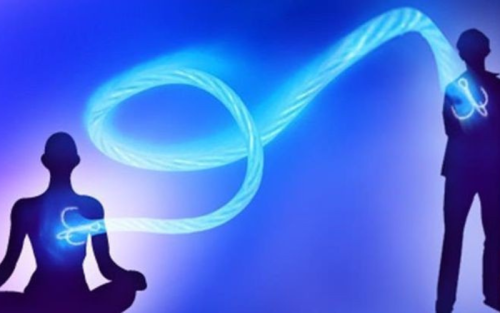
Cord cutting rituals are designed to release emotional attachments to a person, memory, or situation. The goal is to break energetic ties between two individuals. While many people report emotional relief, some experience unexpected physical or emotional responses.
Most cord cutting side effects happen because the body and mind react differently to emotional release practices. Understanding these reactions helps people make informed decisions before participating.
This article outlines 10 possible side effects of cord cutting meditation, based on participant experiences and available research.
Cord Cutting Benefits
Before discussing risks, it is important to understand the benefits of cord cutting therapy.
Research suggests that emotional cord cutting may help individuals:
-
Release unhealthy emotional attachments
-
Improve emotional clarity and mental balance
-
Develop healthier thought patterns
-
Strengthen future relationships
-
Restore personal energy and emotional boundaries
Many people describe feeling emotionally lighter after practicing mindfulness-based cord cutting rituals.
What Do You Need for a Cord Cutting Ritual?
A traditional cord cutting ceremony may include:
-
White sage
-
Black thread or yarn
-
A black candle
-
Florida water
-
Scissors
-
A fire-safe container
The ritual can be done alone or with another person. Participants usually sit or lie down in a relaxed position to support mindfulness and emotional balance.
How to Do Cord Cutting Meditation
Cord cutting meditation follows a calm, structured process:
-
Sit or lie comfortably with eyes closed
-
Slow your breathing to reach a relaxed state
-
Focus on emotional awareness and intention
-
Invite personal spiritual or mindfulness beliefs
This process is similar to guided meditation and should never feel forced.
When Should You Do a Cord Cutting Ceremony?
The timing of a cord cutting ritual depends on personal needs.
Some people practice it:
-
Daily for emotional release
-
Weekly for reflection and stress reduction
The goal is to support emotional healing, not emotional avoidance.
10 Shocking Side Effects of Cord Cutting
1. Nostalgia
One common side effect of cord cutting meditation is nostalgia. Some participants feel emotionally drawn to past experiences instead of moving forward.
If this feeling becomes overwhelming, speaking with a mental health professional is recommended.
2. Heartache
Heartache or emotional grief may occur after emotional cord cutting. This response reflects unresolved feelings surfacing during the process.
Professional counseling can help manage prolonged sadness.
3. Emotional Bond May Grow Stronger
In some cases, the emotional bond becomes stronger rather than weaker. This may indicate emotional resistance or unresolved trauma.
4. Feeling of Energetic Shift
Some people report fatigue or emotional heaviness after the ritual. This energetic shift may temporarily reduce emotional clarity.
5. Cord Cutting May Not Work
Sometimes the ritual does not create the intended emotional release. Lack of focus or incorrect technique can affect results.
6. Emotional Detachment Becomes Permanent
Some participants experience permanent emotional distance when only temporary relief was expected.
7. Dizziness
Dizziness can occur during or after cord cutting meditation, often due to dehydration or emotional stress.
8. Headache
Headaches may result from stress responses or sensitivity to ritual elements such as incense or candles.
9. Nervousness
First-time participants may feel nervous or anxious. This reaction usually fades with time and familiarity.
10. Hallucinations
In rare cases, individuals report hallucinations. If this happens, professional mental health guidance is necessary.
Frequently Asked Questions (FAQ)
Is cord cutting meditation safe?
Cord cutting meditation is generally safe when practiced mindfully. However, individuals with emotional trauma should consult a professional first.
How long do cord cutting side effects last?
Most cord cutting side effects are temporary and fade within days. Persistent symptoms require professional advice.
Can cord cutting improve emotional balance?
Yes, emotional cord cutting may help improve mindfulness and emotional awareness when practiced correctly.
Should beginners try cord cutting rituals?
Beginners should start slowly and treat it like guided meditation rather than intense emotional therapy.
Is cord cutting a replacement for therapy?
No. Cord cutting rituals should not replace professional mental health care.
Conclusion
Cord cutting meditation helps individuals release emotional attachments and restore balance. While many experience positive outcomes, some side effects of cord cutting may occur due to emotional or physical responses.
If discomfort appears, pause the practice and seek professional guidance. When approached mindfully, cord cutting can function like other mindfulness practices such as meditation or yoga.