


Hair loss can be a major blow to your confidence, especially if you are dealing with androgenetic alopecia. Minoxidil has become the go-to solution for millions in the United States, from Columbus to Seattle, promising to wake up dormant hair follicles. It works by increasing blood flow to the scalp, effectively “feeding” your hair the nutrients it needs. But before you start this journey, you must understand the potential minoxidil side effects. At Flab Fix, founded by Brian Syuki, we believe a healthy lifestyle includes looking good, but never at the cost of your safety.
How Minoxidil Works: The Role of DHT and Blood Flow
Most hair loss is caused by DHT, a hormone that shrinks your hair follicles until they stop producing hair. Minoxidil doesn’t block DHT, but it counteracts its effects by acting as a vasodilator. This means it widens blood vessels to ensure better hair follicle stimulation. For those working with an online weight loss coach USA, you know that circulation is everything. However, ingredients like propylene glycol and alcohol, which help the medicine penetrate your skin, are often the root cause of the most common minoxidil side effects, such as itching and redness.
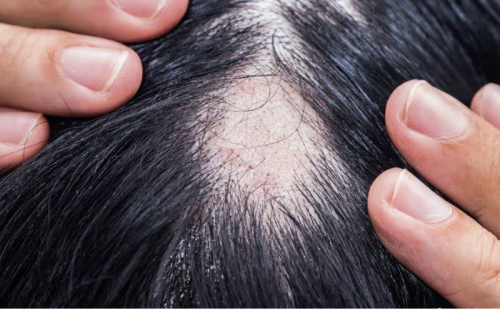
Minoxidil ingredients
The active ingredient in minoxidil solutions and foam products is minoxidil. Inactive ingredients may vary depending on the specific product. Examples of inactive ingredients include:
- Propylene glycol – It helps to dissolve the active ingredient, minoxidil, and keep the solution stable.
- It also increases the penetration of minoxidil into the skin, which helps to improve its effectiveness. Additionally, propylene glycol is a humectant, which means it helps to keep the skin moisturized.
- Alcohol (ethanol) – Alcohol allows minoxidil to be evenly distributed on the scalp. The alcohol also helps to increase the penetration of the minoxidil into the skin. Some studies suggest that the use of alcohol in minoxidil may also enhance its effectiveness.
- Purified water – It serves as a solvent to dissolve minoxidil it its preparation. Secondly, purified water is considered hypoallergenic, which makes it less likely to cause skin irritation or allergic reactions.
- Butylated hydroxytoluene – It functions as a preservative thereby increasing the stability and shelf life of the product by preventing oxidation of the product
- Polysorbate 60 – Helps to reduce the surface tension between two liquids, allowing them to mix more easily. In this case, polysorbate 60 helps helps to mix and emulsify minoxidil with the other ingredients in the formulation.
- Sodium chloride – The use of sodium is to to increase the viscosity or thickness of the minoxidil solution thereby making its application easy. Sodium also works as a preservative.
- Carboxymethylcellulose sodium – CMC is used as a lubricant, it can help to make the minoxidil solution feel smooth and silky during application.
- Citric acid – Citric acid helps to regulate the pH of minoxidil solution and it also helps to remove unwanted minerals and metals from the solution.
10 Common Minoxidil Side Effects to Watch For
While it is an over-the-counter (OTC) medication, you should stay alert for these minoxidil side effects:
-
Scalp Irritation and Redness: Often caused by the alcohol or propylene glycol in the solution.
-
Persistent Itching: A sign that your skin might be sensitive to the topical formula.
-
Unwanted Facial Hair: This happens if the product accidentally drips onto your face or is absorbed systemically.
-
Tingling or Burning: A common sensation immediately after application.
-
Contact Dermatitis: An allergic skin reaction that can cause scaling or rashes.
-
Chest Pain or Fast Heartbeat: A serious side effect where the drug affects your cardiovascular system.
-
Dizziness or Lightheadedness: Often linked to a sudden change in blood pressure.
-
Swelling (Edema): Noticeable puffiness in the face, hands, or feet.
-
Fainting: A rare but severe reaction that requires immediate medical attention.
-
Initial Hair Shedding: Paradoxically, you might lose more hair in the first few weeks as old hairs make way for new ones.
Benefits of Using Minoxidil
Despite the minoxidil side effects mentioned in the previous section, there also a ton of benefits that are worthy to mention.
Here are some potential benefits of using minoxidil as a treatment for hair loss:
- Menoxidil can stimulate hair growth: Minoxidil has been shown to increase blood flow to the hair follicles, which can help to stimulate hair growth and improve the density of existing hair.
- It is easy to use: Minoxidil is available as a topical solution, which is easy to apply directly to the scalp.
- Accessible: Minoxidil is available over the counter, so it does not require a prescription.
- It helps both men and women: It cures male-pattern baldness and female-pattern baldness
- Minoxidil is safe: It is okay to use minoxidil alongside other hair loss treatments like finasteride.
- Improves self-esteem: This is true when you initially suffered a lowered self -esteem due to hair loss.
- Generally, minoxidil side effects are not usually adverse.
How Should You Use Minoxidil?
Apply a total amount of 1 ml, 7 presses, to the entire balding area.
You should apply minoxidil twice a day and you should apply it on dry hair or skin.
See that you do not exceed the amount of 2 ml per day unless your doctor tells you otherwise.
If you want to experience the magic of Minoxidil, apply it continuously for 4 months.
There are two spray forms in menoxidil can be of great use.
Firstly, in its origimal packaging, spray the bald spots which don’t have hair at all.
Secondly, you can use an elongated spray to treat hair-covered bald spots.
Types of Minoxidil
There are two types of minoxidil: topical and oral.
Topical minoxidil is applied directly to the scalp to stimulate hair growth.
It is available in various concentrations (such as 2% and 5%) and forms (such as solutions and foam).
Oral minoxidil, on the other hand, works by dilating blood vessels to increase blood flow to the hair follicles.
Is it Safe to Use Minoxidil?
Generally, minoxidil is quite safe when you use it as directed by your physician.
However, like all medications, minoxidil side effects may come in the picture.
Rarely, does serious minoxidil side effects occur like changes in heart rate or chest pain.
If you experience any of these symptoms, it is important to stop using minoxidil immediately.
When Should I Stop Using Minoxidil
It is recommended to stop using minoxidil if you experience any serious side effects, such as chest pain, fainting, or rapid weight gain.
Moreover, if it’s not effective in treating your hair loss, yo can back out and consider other options.
What Happens After You Stop Using Minoxidil
According to the studies and reports of patients who’d been using minoxidil, the regrown hair starts falling off when you stop using minoxidil.
If you are a man trying to contend with baldness, you can already guess what will happen.
This is to mean, it is only safe to continually use minoxidil otherwise your bald is bound to resurface.
Conclusion
Despite the common minoxidil side effects of itching and skin irritation, minoxidil is rather safe when used appropriately.
You can reduce the side effects by reducing the frequency of application or the concentration of the solution.
But again, you should take caution not to use oral minoxidil instead of topical minoxidil for hair growth,
Nonetheless, due to the diverse human genetic compositions, reactions to medications are inevitable.
Therefore, in case of weird minoxidil side effects, suspend the medication and seek medical advice.
Frequently Asked Questions (FAQ)
What are the most common minoxidil side effects for beginners?
The most frequent minoxidil side effects for new users in Columbus are scalp itching and dryness. This is often due to the alcohol content in the liquid solution. To support a healthy lifestyle, many users switch to the foam version, which is usually free of propylene glycol and much gentler on the skin while still providing excellent hair follicle stimulation.
Can minoxidil cause heart palpitations or chest pain?
Yes, though rare, serious minoxidil side effects like a rapid heartbeat or chest pain can occur. Because minoxidil was originally a blood pressure medication, it can sometimes affect the heart if too much is absorbed through the skin. If you are in the United States and experience these symptoms, stop use immediately and consult a doctor to protect your healthy lifestyle.
Is it true that hair falls out after stopping minoxidil?
Unfortunately, yes. Minoxidil creates a “dependency” for the hair follicles it has revived. If you stop the treatment, the boosted blood flow ends, and the hair produced during that time will likely shed within 3 to 4 months. For those pursuing a healthy lifestyle, it’s important to decide if you are ready for the long-term commitment before starting.
Can an online weight loss coach USA help with hair health?
An online weight loss coach USA can play a huge role in your hair health by optimizing your nutrition and stress levels. A diet rich in proteins and vitamins supports the hair follicle stimulation triggered by minoxidil. Additionally, they can help you manage the stress often associated with hair loss through simple home workouts for fat loss and better sleep habits in cities like Columbus.
Is topical minoxidil safer than the oral version for hair loss?
Topical minoxidil is generally considered safer for hair loss because it acts locally on the scalp, whereas oral minoxidil affects the entire body. Using the topical version reduces the risk of systemic minoxidil side effects like low blood pressure or excessive body hair. Always follow the 2 ml per day limit to ensure your healthy lifestyle remains on track.